
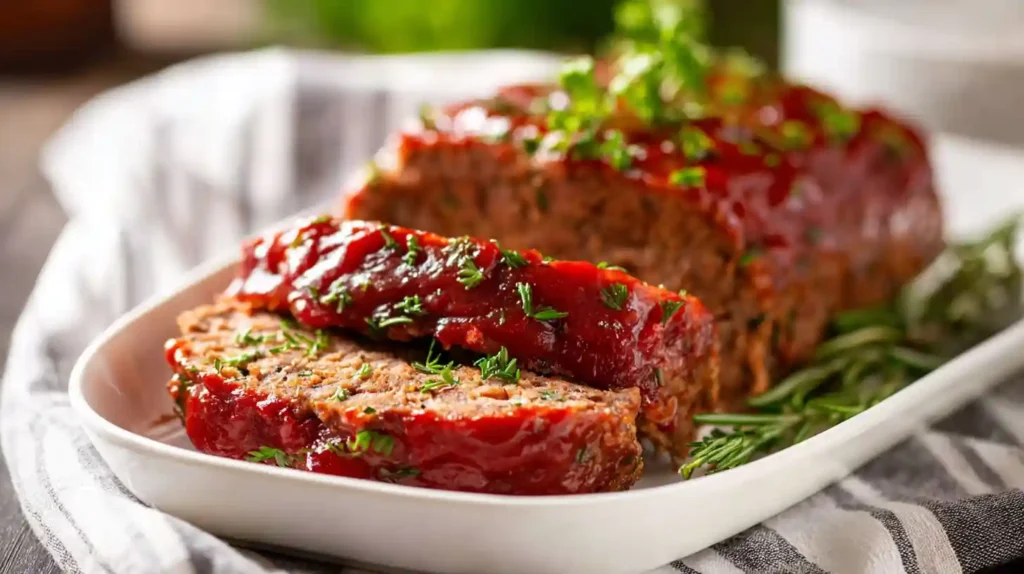
There was a Tuesday evening last fall when everything felt wrong. Work had been brutal, the weather turned gray, and I was staring into my fridge wondering what on earth to make. Then I remembered something my neighbor told me weeks earlier about her meatloaf, how she’d perfected it after years of trial and error. That night, I gave it a shot. What came out of my oven wasn’t just dinner. It was proof that some dishes earn their comeback for good reason.
Classic meatloaf isn’t trying to be fancy. It doesn’t need truffle oil or exotic spices. What it needs is respect for the basics: good meat, the right binders, proper seasoning, and enough moisture to keep every slice tender. When you nail those elements, you get a dish that feels like a warm hug on a plate.
Why This Recipe Works
The secret to incredible classic meatloaf starts with understanding what makes it fail. Too dry? You probably used meat that’s too lean or overworked the mixture. Bland and forgettable? Not enough seasoning layers. Falls apart when you slice it? Wrong ratio of binders to meat. Once you fix these three problems, everything else falls into place naturally.
Using ground beef with about 15-20% fat content gives you insurance against dryness. Leaner cuts might seem healthier, but they turn into cardboard in the oven. The fat renders as it cooks, keeping everything moist and adding flavor you simply can’t replicate with lean meat alone. Breadcrumbs soaked in milk act like tiny sponges, holding onto moisture throughout the cooking process.
Seasoning happens in waves, not all at once. Salt and pepper in the meat mixture, Worcestershire for umami depth, garlic for sharpness, and herbs for brightness. Then that glaze on top adds sweetness and tang that balances the savory richness inside. Each component plays a role, and when they work together, the result is something far greater than the sum of its parts.
Ingredients That Matter
Not all ingredients are created equal when it comes to classic meatloaf. Ground beef labeled 80/20 or 85/15 is the sweet spot. Too much fat and you’re swimming in grease. Too little and you’re chewing leather. Fresh breadcrumbs or panko work better than the stale stuff from a canister because they absorb liquid more effectively without turning gummy.
Eggs bind everything, but they also add richness. Two large eggs for about two pounds of meat is the ratio that holds shape without making the texture rubbery. Milk softens the breadcrumbs and adds a subtle creaminess. Some recipes call for water, but milk brings more flavor and a slightly richer mouthfeel that makes the difference between good and memorable.
Onions must be chopped fine, almost minced. Large chunks create texture issues and pockets of sharpness that overpower everything else. Garlic should be fresh, not powdered, because fresh garlic releases oils that permeate the meat as it cooks. Dried herbs like Italian seasoning add complexity, but fresh parsley at the end brightens the whole dish with a pop of color and freshness.
Building the Perfect Glaze
The glaze is where classic meatloaf goes from standard to exceptional. Ketchup forms the base because its tomato sweetness and slight acidity cut through the richness of the meat. Brown sugar adds caramelization and depth, but don’t go overboard or it becomes cloying. A splash of vinegar, whether white or apple cider, sharpens everything and keeps it from tasting one-dimensional.
Garlic powder and onion powder in the glaze echo the flavors inside the meatloaf, creating continuity from the first bite to the last. Some people add mustard for tang, others use a dash of hot sauce for heat. The beauty of the glaze is its flexibility. Once you understand the balance of sweet, tangy, and savory, you can adjust to your taste without throwing the whole thing off.
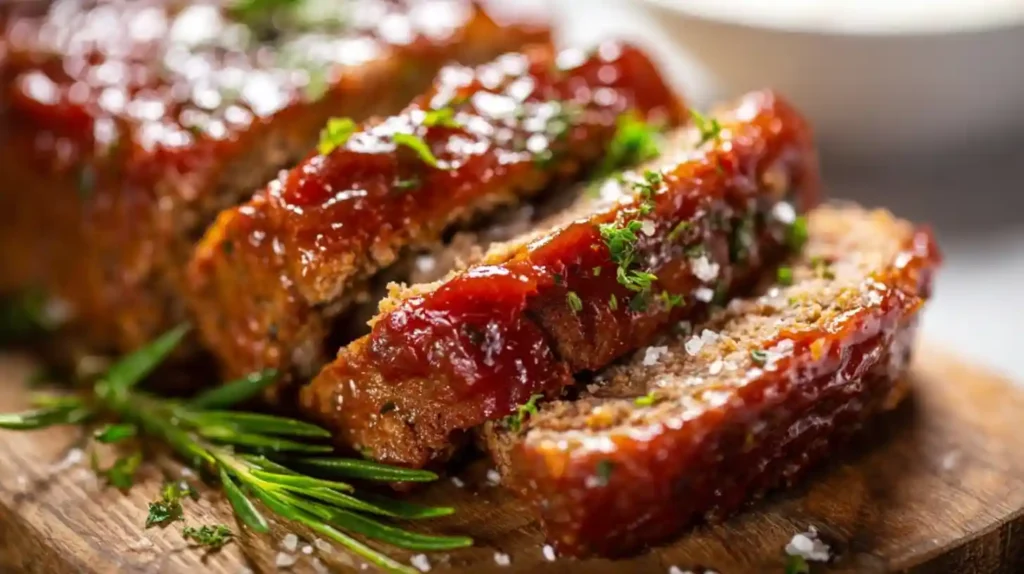
Apply half the glaze about 15 minutes before the meatloaf finishes cooking, then add the rest in the final five minutes. This creates layers of caramelized flavor rather than a single sticky coating. The first application sets and concentrates, while the second stays glossy and fresh. That contrast in texture and intensity makes every slice more interesting.
Mixing Without Overworking
Here’s where most people mess up classic meatloaf without realizing it. Overworking the meat activates proteins that make the texture dense and tough, almost like a meat puck instead of a tender loaf. Mix just until the ingredients are evenly distributed, and then stop. Your hands are better tools than a spoon because you can feel when everything is combined without going too far.
Start by beating the eggs with the milk in a large bowl, then add breadcrumbs and let them soak for a minute. This gives the breadcrumbs time to absorb liquid before the meat goes in. Add your seasonings to this mixture, then break the ground beef into chunks over the top. Use your fingers to gently fold everything together with a light touch, as if you’re tossing a salad rather than kneading dough.
When you can no longer see dry pockets of breadcrumbs or streaks of egg, you’re done. It should take maybe 30 seconds of actual mixing. Resist the urge to keep going. The mixture will look a bit rough and uneven, and that’s exactly what you want. Smooth and homogeneous means you’ve gone too far and sacrificed tenderness.
Shaping and Baking Tips
You can bake classic meatloaf in a loaf pan or free-form on a baking sheet. A loaf pan creates neat slices and traps moisture, but it also traps rendered fat, which can make the bottom soggy. Free-form allows fat to drain away and gives you more surface area for that caramelized crust, but shaping requires a bit more care to keep it from spreading.
If using a loaf pan, line it with parchment paper with enough overhang to lift the finished meatloaf out easily. This prevents sticking and makes serving cleaner. For free-form, shape the meat mixture on a parchment-lined baking sheet into a rounded loaf shape, slightly domed on top. Pat it gently to compact it just enough to hold together without pressing too hard.
Bake at 350°F, which is hot enough to cook through without drying out the exterior before the inside is done. An instant-read thermometer is your best friend here. Pull the meatloaf when it hits 155°F internally, then let it rest for 10 minutes. Carryover cooking will bring it to 160°F, which is the safe temperature for ground beef, while resting redistributes juices so they don’t all run out when you slice.
Pro Tips for Success
- Let the meat mixture rest for 10 minutes before shaping. This allows the breadcrumbs to fully hydrate and makes the mixture easier to work with
- Add finely grated vegetables like carrots or zucchini for extra moisture and hidden nutrition without changing the texture
- Use a wire rack inside your baking sheet to elevate the meatloaf and allow fat to drip away for a crispier crust all around
- Save a small portion of the meat mixture and cook it in a skillet before baking the whole loaf. This lets you taste and adjust seasoning if needed
- Tent the meatloaf loosely with foil for the first 30 minutes of baking to prevent the top from browning too quickly, then remove it for the final cooking and glazing
Variations Worth Trying
Once you master the basic classic meatloaf, the variations become endless. Swap half the ground beef for ground pork for a richer, slightly sweeter flavor profile. Italian-style meatloaf uses marinara sauce instead of ketchup and adds mozzarella and Parmesan to the mix. Bacon-wrapped meatloaf creates an outer layer of crispy, salty perfection that contrasts beautifully with the tender interior.
For a southwestern twist, add cumin, chili powder, and diced green chiles to the meat mixture, then top with a spicy chipotle-tomato glaze. Mediterranean meatloaf incorporates feta cheese, sun-dried tomatoes, and oregano with a balsamic glaze. The basic technique stays the same, but these flavor variations keep the dish from ever feeling repetitive.
Mini meatloaves baked in a muffin tin cook faster and give you more edges for the glaze to caramelize on. They’re also perfect for portion control and freeze individually for quick weeknight meals. Stuffed meatloaf with a layer of cheese, spinach, or hard-boiled eggs down the center turns the dish into something special enough for company.
Smart Substitutions
- Use crushed crackers or oats instead of breadcrumbs for a different texture that still binds effectively
- Replace milk with beef broth for deeper savory flavor or heavy cream for extra richness
- Swap ketchup for tomato paste mixed with a bit of honey and vinegar for a less sweet, more complex glaze
- Try ground turkey or chicken for a leaner version, but add an extra egg and some olive oil to compensate for the lower fat content
- Use almond flour instead of breadcrumbs for a low-carb option that still provides structure and moisture
Troubleshooting Common Issues
If your classic meatloaf falls apart when slicing, you likely didn’t use enough binder or didn’t let it rest long enough after baking. The resting period is crucial because it allows the proteins to set and the juices to redistribute. Cutting too soon releases all that moisture and causes structural collapse.
Dry meatloaf usually comes from meat that’s too lean or overcooking. Use a thermometer and pull it at exactly 155°F, no higher. If you’re using lean meat by choice, increase the milk to one cup and consider adding a tablespoon of olive oil to the mixture. Dryness is almost always fixable with small adjustments to fat and liquid ratios.
Bland flavor means underseasoning, which is easy to fix. Don’t be shy with salt, and remember that seasoning needs to be proportional to the amount of meat. Two pounds of beef needs at least a teaspoon and a half of salt, plus pepper and other seasonings. Taste your raw mixture if you’re comfortable, or cook a small test patty to check before committing the whole batch to the oven.
Storage and Reheating
Leftover classic meatloaf keeps in the refrigerator for up to four days when stored in an airtight container. Slice it before storing so you can grab individual portions without having to reheat the entire loaf. Cold meatloaf sandwiches on toasted bread with mayonnaise and lettuce are legitimately one of the best ways to use leftovers.
Reheat slices in a covered skillet with a splash of water or broth over medium-low heat. This gentle method keeps the meat moist without drying it out the way microwaving often does. If you must use the microwave, cover the plate with a damp paper towel and use 50% power to heat slowly and evenly.
Classic meatloaf freezes beautifully for up to three months. Wrap individual slices tightly in plastic wrap, then place them in a freezer bag. Thaw overnight in the refrigerator before reheating. You can also freeze the uncooked shaped loaf, which gives you the option of freshly baked meatloaf on busy nights without the prep work.
Serving Suggestions
Classic meatloaf pairs naturally with mashed potatoes, which soak up any pan juices and glaze like a dream. Roasted vegetables bring color and freshness to balance the richness of the meat. Green beans, carrots, or Brussels sprouts roasted with olive oil and garlic create a complete meal that feels both comforting and thoughtful.
A simple green salad with a tangy vinaigrette cuts through the heaviness and adds brightness to the plate. Mac and cheese turns the meal into full-on comfort food indulgence, perfect for when you need maximum coziness. Garlic bread or dinner rolls are ideal for mopping up extra glaze and any juices that accumulate on the plate.
Don’t overlook classic meatloaf for meal prep. It slices cleanly, reheats well, and works in so many contexts beyond dinner. Crumble it into pasta sauce for a quick Bolognese. Dice it and fry it with potatoes for breakfast hash. Layer it in a sandwich with melted cheese and caramelized onions. This versatility is part of why the dish has stuck around for generations.
Frequently Asked Questions
Can I make meatloaf ahead of time?
Yes, you can shape the classic meatloaf and refrigerate it unbaked for up to 24 hours before cooking. This actually helps the flavors meld together. Just add about 10 minutes to the baking time since you’re starting with cold meat. You can also fully bake it, let it cool, and reheat before serving.
What’s the best way to prevent cracking on top?
Cracking happens when the surface dries out too quickly. Cover the meatloaf loosely with foil for the first half of baking, then remove it to allow browning. Don’t pack the meat mixture too tightly when shaping, as this can also cause cracking as the proteins contract during cooking.
How do I know when meatloaf is done without a thermometer?
Without a thermometer, you’re taking a risk, but visual cues can help. The meatloaf should be firm to the touch, browned on the outside, and when you insert a knife into the center, the juices should run clear rather than pink. However, a thermometer is inexpensive and eliminates all guesswork, so it’s worth having one.
Can I use ground turkey instead of beef?
Absolutely. Ground turkey works well in classic meatloaf but requires some adjustments because it’s leaner. Add an extra egg, increase the milk, and consider mixing in a tablespoon of olive oil or using a blend of dark and light turkey meat for better flavor and moisture. The cooking temperature and time remain the same.
Why does my meatloaf fall apart when I slice it?
This usually means not enough binder, cutting it too soon after baking, or undermixing the ingredients. Make sure you’re using the correct ratio of breadcrumbs and eggs, and always let the meatloaf rest for at least 10 minutes after removing it from the oven before attempting to slice it.
What can I add to make meatloaf more flavorful?
Worcestershire sauce, soy sauce, and Dijon mustard all add depth without changing the character of the dish. Fresh or dried herbs like thyme, oregano, or parsley brighten the flavor. Sautéed mushrooms or bell peppers folded into the mixture add moisture and complexity. Don’t forget that proper seasoning with salt and pepper is the foundation of good flavor.
Can I cook meatloaf in a slow cooker?
You can, but the results differ from oven-baked classic meatloaf. Shape the meat mixture and place it in the slow cooker on a piece of foil or parchment for easier removal. Cook on low for six to eight hours. The texture will be softer and you won’t get the caramelized crust, but it’s convenient for hands-off cooking.
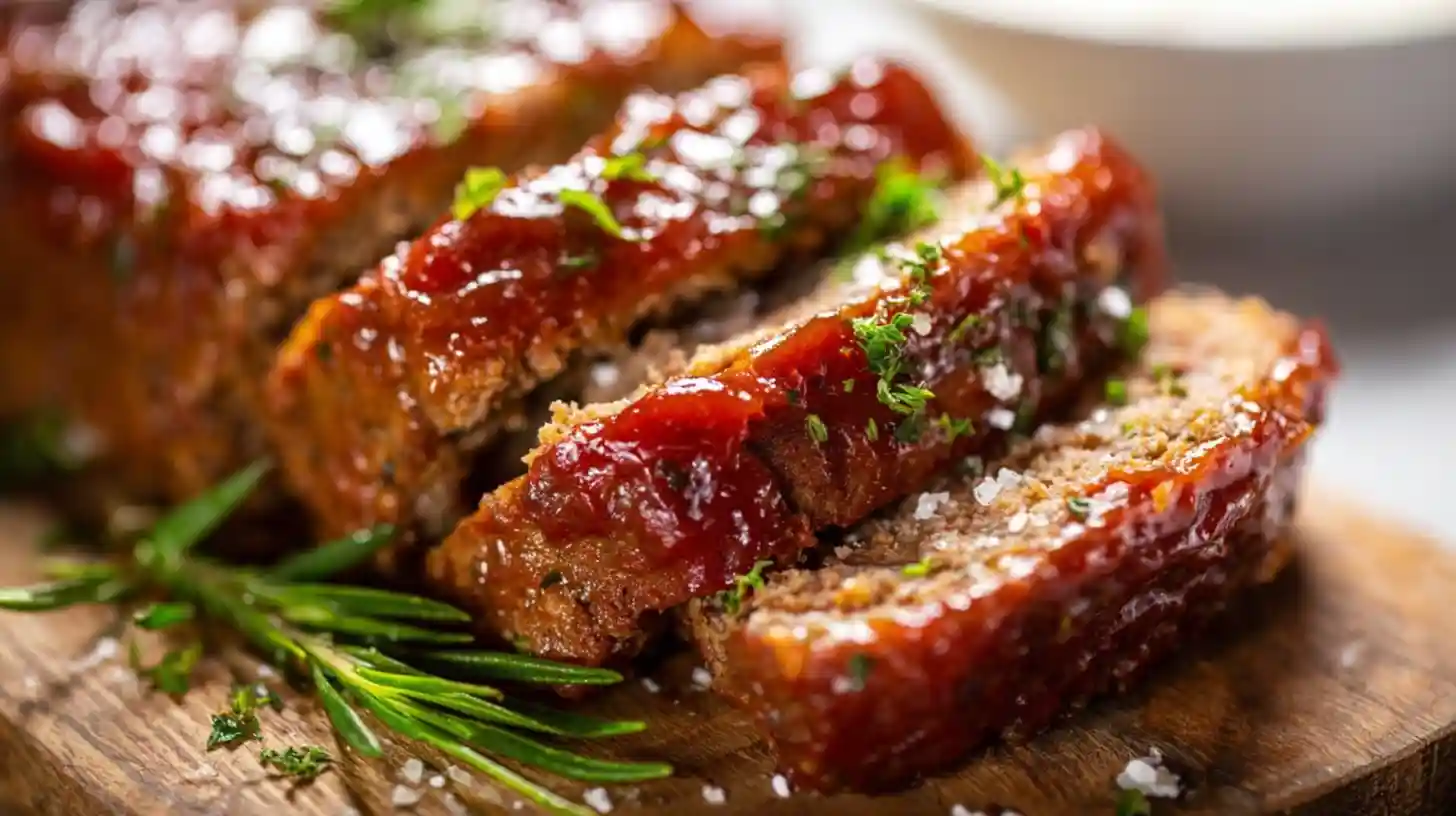
Classic Meatloaf
Ingredients
Method
- Preheat oven to 350°F. Line a 9×5 inch loaf pan with parchment paper, leaving overhang on the sides for easy removal, or prepare a parchment-lined baking sheet.
- In a large mixing bowl, whisk together eggs and milk until combined. Add breadcrumbs and let soak for 2 minutes to absorb the liquid fully.
- To the breadcrumb mixture, add chopped onion, minced garlic, ketchup, parsley, Worcestershire sauce, salt, pepper, and Italian seasoning. Stir to combine.
- Break ground beef into chunks over the mixture. Using your hands, gently fold the meat into the other ingredients just until evenly combined. Do not overmix or the texture will become dense.
- Transfer meat mixture to prepared loaf pan and shape into an even loaf, or form into a rounded loaf shape on the baking sheet. Pat gently to compact slightly.
- In a small bowl, whisk together all glaze ingredients: ketchup, brown sugar, vinegar, garlic powder, and onion powder until smooth.
- Bake meatloaf for 45 minutes. Remove from oven and brush half of the glaze over the top. Return to oven and bake for 10 more minutes.
- Brush remaining glaze over meatloaf and bake for final 5 minutes, or until internal temperature reaches 155°F on an instant-read thermometer.
- Remove from oven and let rest for 10 minutes before slicing. The internal temperature will rise to 160°F during resting. Slice and serve warm.