


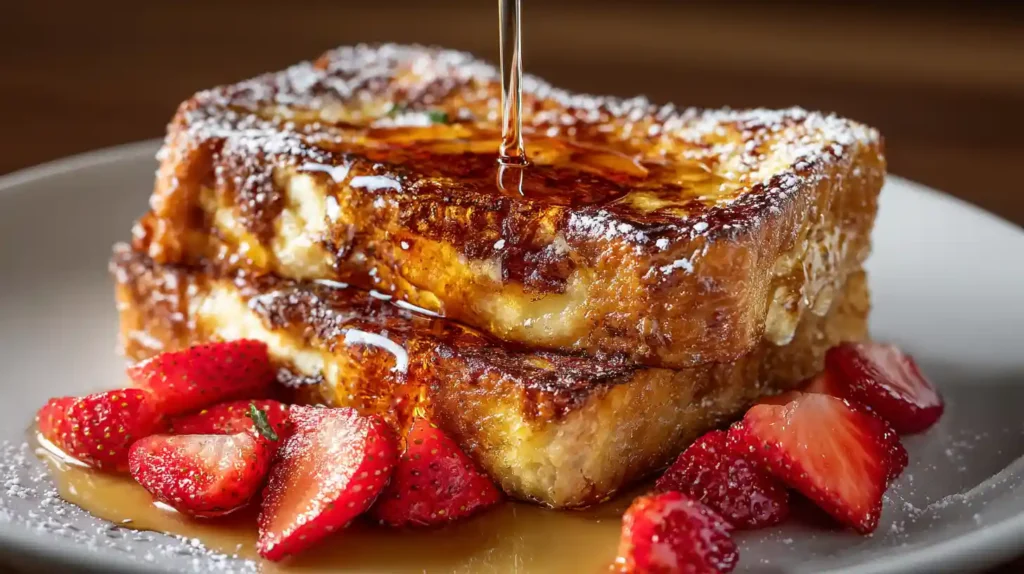
Sunday mornings used to mean soggy, eggy French toast that never quite lived up to my expectations. Then I discovered the secret to creating the best homemade French toast—and it changed everything. This recipe features ultra-thick slices of challah or brioche bread soaked in a luxurious custard made with heavy cream, then caramelized to create edges that taste like crème brûlée. The result? French toast so spectacular that my family now requests it for birthdays, Mother’s Day, and any occasion worth celebrating. If you’ve been searching for the perfect French toast recipe with heavy cream, your search ends here.
What makes this the best homemade bread for French toast is the combination of premium ingredients and a foolproof technique. The heavy cream creates an incredibly rich, custardy interior while the generous coating of sugar caramelizes into a crispy, golden shell that shatters with each bite. Whether you’re using recipes with homemade bread or store-bought challah, this method transforms simple ingredients into restaurant-quality brioche bread breakfast recipes that’ll have everyone fighting over the last slice.
Why This Is the Best French Toast
Traditional French toast often disappoints with soggy centers, rubbery edges, or that dreaded scrambled-egg texture clinging to the crust. This sweet cream French toast eliminates every one of those problems through careful ingredient selection and a game-changing caramelization technique that I learned from a French pastry chef.
The magic happens in three key ways. First, ultra-thick bread slices create substantial texture that stays custardy inside while crisping beautifully outside. Second, using only egg yolks (no whites!) eliminates that eggy flavor and creates silky richness. Third, the sugar coating caramelizes like crème brûlée, adding a sophisticated crunch that makes this homemade bread for French toast utterly irresistible.
- Custard-Like Center: Heavy cream creates luxurious, pudding-like texture inside each slice
- Caramelized Crust: Sugar coating transforms into crackling, candy-like shell
- No Eggy Flavor: Egg yolks only means pure, sweet richness without sulfur notes
- Thick-Cut Luxury: 1.5-inch slices provide perfect ratio of crispy exterior to creamy interior
- Special Occasion Worthy: Impressive enough for holiday brunches and celebrations
Essential Equipment
You won’t need specialized equipment for this French toast recipe with heavy cream. Just gather these basic kitchen tools.
- Large shallow dish: A 9×13-inch baking dish works perfectly for soaking bread
- Large nonstick skillet or griddle: Ensures even browning without sticking
- Wire whisk: For smoothly incorporating custard ingredients
- Spatula: Wide spatula supports thick slices during flipping
- Shallow plates or pie dishes: For the sugar coating station
- Sharp serrated knife: Essential for cutting thick, even bread slices
- Baking sheet (optional): Keeps finished slices warm in low oven while cooking batches
Choosing the Best Bread
The bread you choose makes or breaks this recipe. This is where recipes using challah bread truly shine, along with brioche bread breakfast recipes that deliver unmatched richness.
Top Bread Choices
Challah bread is my absolute favorite for the best homemade French toast. This traditional Jewish bread features eggs and a touch of sweetness, creating a tender crumb that absorbs custard beautifully without falling apart. Look for unsliced loaves at bakeries or in the bakery section of grocery stores.
Brioche runs a close second, offering even more buttery richness than challah. Its high egg and butter content creates French toast that tastes almost decadent. Brioche works wonderfully in all brioche bread breakfast recipes beyond just French toast.
Thick-cut Texas Toast or soft white bread can substitute in a pinch, though they won’t provide quite the same luxurious texture. Avoid French bread or crusty baguettes—their chewy texture doesn’t soften properly and creates tough, hard-to-cut edges.
Thickness Matters
Buy unsliced loaves and cut your own 1.5 to 2-inch thick slices. Pre-sliced bread rarely exceeds 3/4 inch, which simply isn’t enough to create that perfect contrast between crispy exterior and custardy center. Thicker slices absorb more of the sweet cream French toast custard while maintaining structural integrity during cooking.
Day-Old Bread Works Best
Slightly stale bread actually performs better than fresh in this French toast recipe with heavy cream. Day-old bread has less moisture, allowing it to absorb more custard without becoming soggy. If using fresh bread, leave slices out uncovered for 2-3 hours or toast them lightly in a 250°F oven for 10 minutes.
Ingredient Guide
Quality ingredients elevate this recipe from good to extraordinary. Here’s what you need and why each component matters for the best homemade French toast.
The Custard Base
Egg yolks only: Using 6 egg yolks without any whites eliminates that sulfurous egg taste while creating unbelievable richness. The yolks provide all the binding power you need with none of the drawbacks.
Heavy cream: This is non-negotiable for authentic sweet cream French toast. Heavy cream contains 36-40% milk fat, creating luxurious, custardy texture that half-and-half or milk simply cannot match. For the richest results, don’t substitute.
Whole milk: A small amount balances the heavy cream’s richness, preventing the custard from becoming too thick to properly coat the bread.
Flavor Enhancers
Vanilla extract: Use pure vanilla extract rather than imitation. The real thing provides complex, aromatic flavor that cheap imitation vanilla cannot replicate. For extra luxury, scrape in the seeds from half a vanilla bean.
Cinnamon and nutmeg: Warm spices add depth without overwhelming the delicate custard flavor. Freshly grated nutmeg tastes significantly better than pre-ground.
Granulated sugar: Sugar in the custard provides sweetness, while the coating creates that signature caramelized crunch. Don’t skip the coating sugar—it’s what transforms this into the best homemade bread for French toast.
Step-by-Step Instructions
Follow these detailed steps for perfect French toast recipe with heavy cream results every time. The technique matters as much as the ingredients.
Prepare the Custard
In a large shallow dish, whisk together 6 egg yolks until smooth and uniform in color. Add 1 cup heavy cream, 1/4 cup whole milk, 3 tablespoons granulated sugar, 2 teaspoons vanilla extract, 1 teaspoon ground cinnamon, 1/4 teaspoon ground nutmeg, and a pinch of salt. Whisk vigorously for a full minute until completely combined and slightly frothy.
The custard should be smooth with no streaks of egg yolk visible. This homogeneous mixture ensures even flavor distribution throughout your best homemade French toast.
Slice and Soak the Bread
Using a sharp serrated knife, cut your challah or brioche loaf into 1.5 to 2-inch thick slices. You should get 6-8 substantial slices from a standard loaf. Place one slice in the custard mixture and let it soak for 30-45 seconds per side.
Don’t rush this step—the bread needs time to absorb the sweet cream French toast custard all the way through. However, don’t soak longer than 90 seconds total or the bread may become too fragile to handle. Thicker slices need the full soaking time; slightly thinner slices need less.
The Caramelization Secret
Here’s where this recipe diverges from ordinary French toast. Pour about 1/2 cup granulated sugar into a shallow plate. After soaking each bread slice in custard, immediately press both sides into the sugar, coating generously. The sugar should stick to the wet custard, creating a thick, even layer.
This sugar coating caramelizes during cooking, creating that signature crème brûlée-like crust that makes this truly the best homemade bread for French toast you’ll ever taste. Don’t skip this step—it’s transformative.
Cook to Perfection
Heat a large nonstick skillet or griddle over medium heat. Add 1 tablespoon butter and 1 tablespoon neutral oil (vegetable or canola). The combination prevents burning—butter provides flavor while oil raises the smoke point.
Once the butter melts and foam subsides, carefully place sugar-coated bread slices in the pan. Don’t crowd them—work in batches if necessary. Cook for 3-4 minutes per side without moving them. You’ll hear the sugar sizzling and caramelizing. The toast is ready to flip when you see deep golden-brown caramelization and can slide a spatula underneath easily.
Flip carefully, supporting the slice fully with your spatula to prevent breaking. Cook the second side for another 3-4 minutes until equally caramelized. The finished French toast should be deeply golden with visible caramel coloring and a slightly crispy texture that gives way to creamy custard inside.
Keep Warm and Serve
Transfer finished slices to a baking sheet in a 200°F oven to keep warm while cooking remaining batches. Add more butter and oil to the pan between batches, maintaining that medium heat to ensure consistent caramelization.
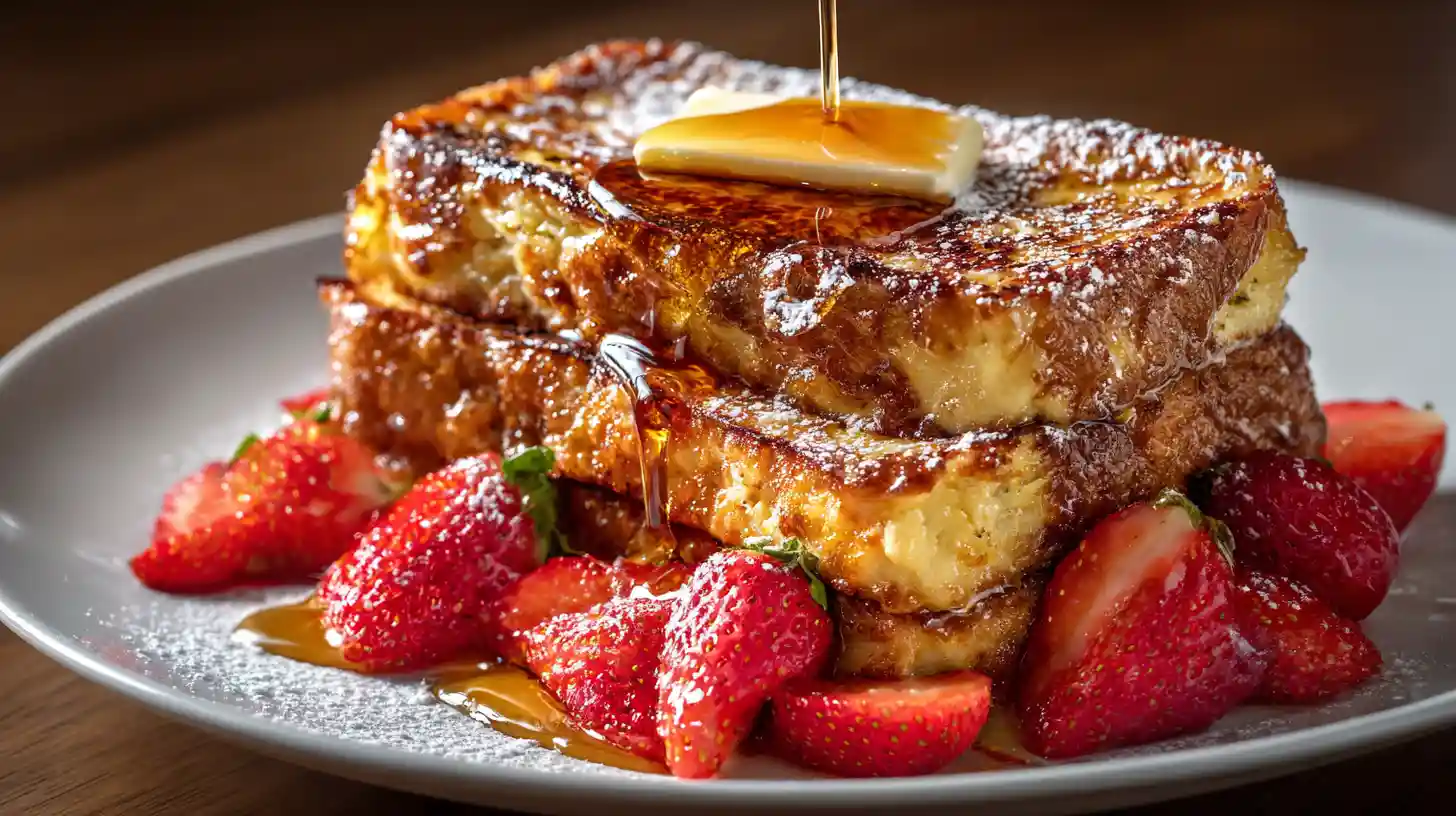
Serve immediately topped with a pat of butter, a dusting of powdered sugar, and pure maple syrup. Fresh berries add beautiful color and tart contrast to the rich, sweet French toast.
Serving Suggestions
This versatile sweet cream French toast works beautifully for various serving occasions and topping combinations.
- Classic Style: Serve with pure maple syrup, butter, and powdered sugar for timeless perfection
- Berry Delicious: Top with macerated strawberries, blueberries, and whipped cream for fruity freshness
- Decadent Chocolate: Drizzle with Nutella or chocolate ganache and sprinkle with toasted hazelnuts
- Caramel Pecan: Serve with warm caramel sauce and chopped toasted pecans for ultimate indulgence
- Lemon Mascarpone: Top with lemon-sweetened mascarpone and fresh lemon zest for elegant brunch
- Apple Cinnamon: Crown with warm cinnamon-spiced sautéed apples and vanilla ice cream
Pro Tips for Success
After making this best homemade French toast countless times, these tips guarantee perfect results.
- Temperature Control: Medium heat is crucial—too high burns the sugar before cooking the center; too low creates pale, soggy toast
- Fresh Oil Each Batch: Wipe the pan and add fresh butter/oil between batches to prevent burnt bits from previous cooking
- Don’t Oversoak: Even thick slices shouldn’t soak more than 90 seconds total or they’ll fall apart when lifted
- Support When Flipping: Use your whole spatula to support the slice’s weight—soaked bread is fragile until cooked
- Listen for Sizzle: That active sizzling sound means the sugar is caramelizing perfectly
- Rest Before Cutting: Let French toast rest 1-2 minutes before serving so the custard sets slightly
Delicious Variations
Once you master this French toast recipe with heavy cream, try these creative variations for exciting flavor profiles.
- Orange Cream: Add 2 tablespoons orange zest to custard and serve with orange-honey butter for citrus brightness
- Almond Joy: Use 1 teaspoon almond extract instead of vanilla, top with toasted coconut and chocolate drizzle
- Pumpkin Spice: Mix 1/4 cup pumpkin puree into custard with pumpkin pie spices for fall flavors
- Banana Foster: Top with caramelized bananas cooked in butter, brown sugar, and rum
- Stuffed French Toast: Cut a pocket in each slice and fill with sweetened cream cheese before soaking
- Eggnog Version: Replace heavy cream with eggnog during holidays for festive twist
- Churro Style: Add extra cinnamon to sugar coating and serve with chocolate sauce
Storage and Reheating
Refrigerator Storage: Store leftover French toast in an airtight container for up to 3 days. The caramelized crust will soften slightly but remains delicious. Separate slices with parchment paper to prevent sticking.
Freezer Storage: Freeze cooked French toast slices individually on a baking sheet until solid, then transfer to freezer bags for up to 2 months. Thaw overnight in refrigerator before reheating.
Best Reheating Method: Reheat in a 350°F oven for 8-10 minutes to restore some crispness. Avoid microwaving, which creates soggy texture. For frozen slices, reheat straight from freezer for 12-15 minutes.
Troubleshooting Common Issues
Soggy Centers: Bread soaked too long or heat too low. Reduce soaking time and increase heat slightly to cook centers before outsides burn.
Burnt Exterior: Heat too high for sugar coating. Reduce to medium or medium-low and cook longer for even browning without burning.
Eggy Flavor: Make sure you’re using only egg yolks with no whites. Even a small amount of white creates that unpleasant sulfur taste.
Falls Apart: Oversoak or bread too fresh. Use day-old bread and reduce soaking time. Support fully with spatula when flipping.
No Caramelization: Not enough sugar coating or heat too low. Press bread firmly into sugar and ensure pan is properly preheated to medium heat.
Frequently Asked Questions
Can I use egg whites too?
For the best homemade French toast, stick with yolks only. Egg whites create that eggy, sulfurous flavor and thinner, less luxurious custard. The yolks provide all the binding power needed while creating incredible richness.
Can I substitute half-and-half for heavy cream?
Half-and-half works but creates less rich, less custardy results. For truly the best French toast recipe with heavy cream, don’t substitute. The higher fat content makes a noticeable difference in texture and flavor.
Do I have to use challah or brioche?
These provide the best results for recipes using challah bread and brioche bread breakfast recipes, but thick-cut Texas toast or soft white bread can substitute. Avoid crusty French bread or sourdough—they’re too chewy.
How do I prevent the sugar from burning?
Cook over medium (not medium-high) heat and be patient. The sugar needs 3-4 minutes per side to caramelize properly without burning. If your stove runs hot, reduce to medium-low.
Can I make the custard ahead?
Yes! Prepare custard up to 24 hours ahead and refrigerate covered. Whisk well before using as ingredients may separate. This makes this homemade bread for French toast even easier for busy mornings.
Why is my French toast tough?
Using the wrong bread (crusty French bread) or overcooking causes toughness. Stick with soft breads like challah or brioche and don’t cook beyond golden-brown caramelization.
Can I make this dairy-free?
For dairy-free sweet cream French toast, use full-fat coconut cream instead of heavy cream and dairy-free butter for cooking. The texture won’t be identical but still delicious.
Why This Recipe Works
This recipe succeeds where others fail because it addresses every common French toast problem systematically. Using only egg yolks eliminates eggy flavor. Heavy cream creates luxurious custard texture. Thick bread slices provide the perfect ratio of crispy to creamy. And that sugar coating? It transforms ordinary French toast into something extraordinary—crème brûlée meets breakfast in the most spectacular way.
The combination of premium ingredients and careful technique creates what truly is the best homemade French toast you’ll ever make. Whether you’re using recipes with homemade bread or quality store-bought challah, this method delivers consistent, restaurant-worthy results that’ll make you the brunch hero of your household. One bite of that caramelized, crackling crust giving way to custardy perfection inside, and you’ll never go back to ordinary French toast again.
Crème Brûlée French Toast
Ingredients
Equipment
Method
- If using fresh bread, cut it into 1.5 to 2-inch thick slices and leave uncovered at room temperature for 2-3 hours to dry slightly, or toast in a 250°F oven for 10 minutes. Day-old bread can be used immediately.
- In a large shallow dish (9×13-inch baking dish works perfectly), whisk together 6 egg yolks until smooth and uniform in color with no streaks remaining.
- Add heavy cream, whole milk, 3 tablespoons granulated sugar, vanilla extract, cinnamon, nutmeg, and salt to the egg yolks. Whisk vigorously for a full minute until completely combined and slightly frothy with no egg yolk streaks visible.
- Pour 1/2 cup granulated sugar into a shallow plate or pie dish for the coating station. Set this near your cooking area for easy access.
- Using a sharp serrated knife, cut the challah or brioche loaf into 1.5 to 2-inch thick slices. You should get 6-8 substantial slices from a standard loaf.
- Preheat your oven to 200°F and place a baking sheet inside. This will keep finished French toast warm while you cook in batches.
- Place one bread slice in the custard mixture. Let it soak for 30-45 seconds, then gently flip and soak the second side for another 30-45 seconds. The bread should absorb custard throughout but not fall apart. Thicker slices need the full soaking time.
- Lift the soaked bread slice carefully, letting excess custard drip off for a moment. Immediately press both sides of the wet bread into the sugar coating plate, creating a generous, even layer of sugar on both surfaces.
- Heat a large nonstick skillet or griddle over medium heat. Add 1 tablespoon butter and 1 tablespoon neutral oil. The combination prevents burning while providing flavor.
- Once butter melts and foam subsides, carefully place sugar-coated bread slices in the pan. Don’t crowd them—work in batches if your pan can’t fit all slices with space between them.
- Cook without moving for 3-4 minutes. You’ll hear active sizzling as the sugar caramelizes. The toast is ready to flip when you see deep golden-brown caramelization and can slide a spatula underneath easily.
- Flip carefully using a wide spatula to support the entire slice, preventing breaking. Cook the second side for another 3-4 minutes until equally caramelized with deep golden color.
- The finished French toast should be deeply golden with visible caramel coloring and a slightly crispy texture on the outside. The interior should feel set but still have some give when gently pressed.
- Transfer finished slices to the baking sheet in the warm oven while you cook remaining batches. This keeps them warm and crispy without overcooking.
- Between batches, wipe out any burnt sugar bits from the pan with a paper towel. Add fresh butter and oil before cooking the next batch to maintain consistent results.
- Repeat the soaking, coating, and cooking process with remaining bread slices, maintaining medium heat throughout to ensure proper caramelization without burning.
- Once all slices are cooked, remove from oven and let rest for 1-2 minutes. This brief rest allows the custard to set slightly for easier cutting and eating.
- Serve immediately topped with a pat of butter, a generous dusting of powdered sugar, and warm pure maple syrup. Add fresh berries and whipped cream if desired for extra indulgence.
Notes
Pro Cooking Tips
- Temperature Control is Critical: Medium heat is perfect—too high burns the sugar before cooking the center; too low creates pale, soggy toast without caramelization.
- Fresh Oil Between Batches: Wipe the pan clean and add fresh butter/oil between batches to prevent burnt bits from previous cooking from affecting flavor.
- Don’t Oversoak: Even thick slices shouldn’t soak more than 90 seconds total or they’ll become too fragile to handle and may fall apart when lifted.
- Support When Flipping: Use your entire spatula surface to support the slice’s weight—custard-soaked bread is delicate until fully cooked through.
- Listen for the Sizzle: That active, steady sizzling sound means the sugar is caramelizing perfectly. Silence means heat is too low.
- Day-Old Bread Works Best: Slightly stale bread absorbs custard better without becoming soggy. Fresh bread should be dried out first.
- Yolks Only: Don’t be tempted to add whites—they create eggy flavor and thinner custard that defeats the luxury of this recipe.
Delicious Variations
- Orange Cream French Toast: Add 2 tablespoons orange zest to custard and serve with orange-honey butter for bright citrus flavor.
- Almond Joy Style: Use 1 teaspoon almond extract instead of vanilla, top with toasted coconut and chocolate drizzle.
- Pumpkin Spice Version: Mix 1/4 cup pumpkin puree into custard with pumpkin pie spices for fall breakfast perfection.
- Banana Foster Topping: Top with caramelized bananas cooked in butter, brown sugar, and rum for New Orleans flair.
- Stuffed French Toast: Cut a pocket in each slice and fill with sweetened cream cheese or Nutella before soaking.
- Eggnog French Toast: Replace heavy cream with eggnog during holidays for festive twist with extra spice.
- Churro Style: Add extra cinnamon to sugar coating and serve with warm chocolate sauce for dipping.
- Lemon Mascarpone: Top with lemon-sweetened mascarpone and fresh berries for elegant brunch presentation.
Storage & Reheating
Refrigerator: Store leftover French toast in an airtight container for up to 3 days. Separate slices with parchment paper to prevent sticking. The caramelized crust will soften but remains delicious. Freezer: Freeze cooked slices individually on a baking sheet until solid, then transfer to freezer bags for up to 2 months. Thaw overnight in refrigerator before reheating. Best Reheating: Reheat in a 350°F oven for 8-10 minutes to restore crispness. Avoid microwaving which creates soggy texture. For frozen slices, reheat straight from freezer for 12-15 minutes. Make-Ahead Custard: Prepare custard up to 24 hours ahead and refrigerate covered. Whisk well before using as ingredients may separate slightly.Bread Selection Guide
- Best Choice: Challah bread provides ideal texture—tender, eggy, slightly sweet, and absorbs custard beautifully without falling apart
- Runner-Up: Brioche offers even more buttery richness with high egg and butter content for decadent results
- Budget Option: Thick-cut Texas Toast or soft white bread works in a pinch though texture won’t be as luxurious
- Avoid: French bread, baguettes, sourdough, or crusty artisan breads—too chewy and don’t soften properly
- Thickness Matters: Always cut 1.5 to 2-inch thick slices for proper crispy-to-creamy ratio. Pre-sliced bread is too thin.